China is forecast to lose more of its current population by 2100 than any nation in history, from approximately 1.4 billion to 633 million. By then, nearly 40% of China’s population would be 60 or older, and only 5% under 14. Aware of these demographics, Chinese President Xi Jinping is gambling that he can make his country rich before its aging population becomes too costly for the nation to maintain.
The Chinese economy began a great leap forward in 2000 when the United States sponsored China into the World Trade Organization (WTO) and granted China permanent Most Favored Nation (MFN) status and Permanent Normal Trade Relations (PNTR) in the vast American consumer market. Under the Clinton Administration, the MFN agreement passed the House of Representatives with 74% Republican support and 34% Democrat support, and the Senate with 90% Republican and 80% Democratic support. More than 200,000 rural and agricultural workers moved into cities to provide cheap labor for China’s rapidly growing manufacturing sector and human resources for building the world’s second-largest military.
Xi Jinping came to power in 2012-2013 by solidifying his leadership position as General Secretary of the Communist Party, President of China, and Chairman of the Central Military Commission. In 2023, he consolidated his power with a third presidential term, and by eliminating term limits and rejecting prior collective leadership practices, he, like Putin, became China’s Dictator for Life, the most prominent Chinese leader since Mao Zedong.
China’s economy under Xi was built on export growth, using a state-supported mercantile policy system to dominate various industries. China restricted foreign investment, failed to protect intellectual property rights, and distorted trade with its government subsidies. China manipulated its currency, allowing it to underprice its exports and put American and other nations’ manufacturing at a major disadvantage.
China depends on imports of food and petroleum to keep its economy functioning, which made Xi’s alliances with Russia and Iran key parts of his gamble to make China rich rapidly. When Western governments seriously began eliminating their use of fossil fuels, China staked out government-subsidized state industries in the development of green energy solutions – solar, wind turbines, batteries, and electric vehicles – dominating all of them and making China less dependent on fossil fuel imports! Green energy implementation within the European Union has left the German automobile industry in shambles and with some of the world’s most aggressive energy policies, while making China richer.
Donald Trump was the only Western leader to oppose green energy paranoia sweeping the planet. He used tariff policy to preserve the American auto industry from EVs made in China, and he turned back exclusive use of so-called green energy solutions, mostly from China, from dominating U.S. electric power grids.
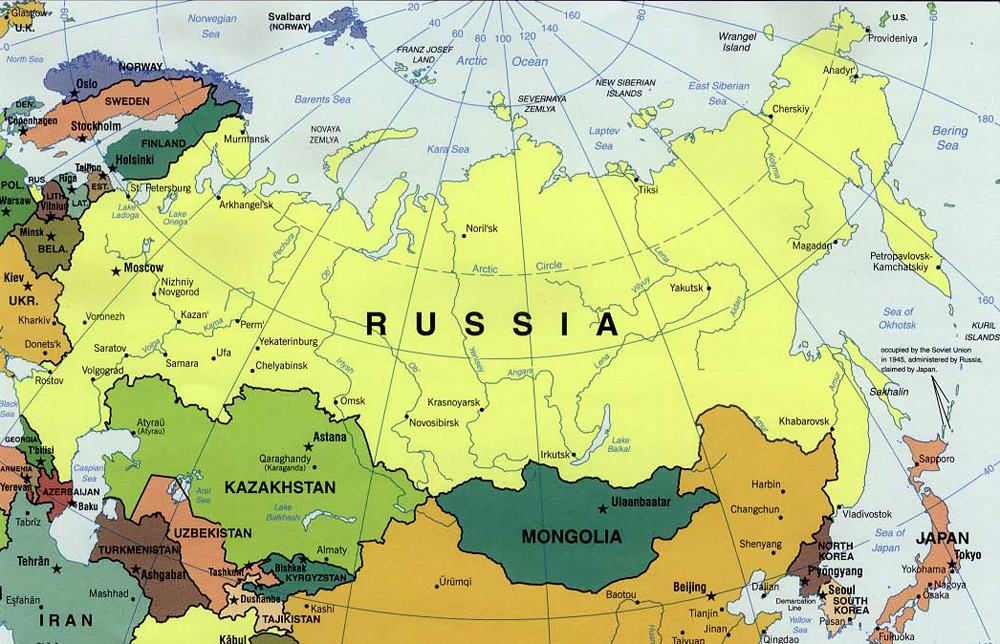
The wild card in the U.S./Chinese relationship is China’s claim on the Chinese living on the free island of Taiwan. This is like Putin’s claim on Ukraine, a former Russian entity. How Putin’s excursion into Ukraine is resolved may strongly influence how aggressively Xi chooses to move on Taiwan.
Trump and Xi are to meet in Washington on September 25. Xi needs continued American trade to keep his economy growing, and America relies on China for its rare earth minerals, pharmaceuticals, and other products whose manufacture has been moved from the U.S. to China.
What these two leaders decide next week will be an indication of whether Xi will win his gamble to make China rich before it gets too old – and how the 21st Century will evolve.
TW3
September 17, 2026
John Whitmore Jenkins
www.jenkins-speaks.com
john@jenkins-speaks.com