U.S. oil retail oil prices remained relatively stable after World War II until the 1970s oil crisis hit, causing gasoline lines throughout the U.S. The first shortage and price increase occurred in 1973 when the Yom Kippur War triggered oil disruptions from the Middle East. A larger increase occurred in 1979 because of the Iranian Revolution. Now “It’s déjà vu all over again”, as Yogi Berra was quoted as saying, as Iran again causes major oil price increases.
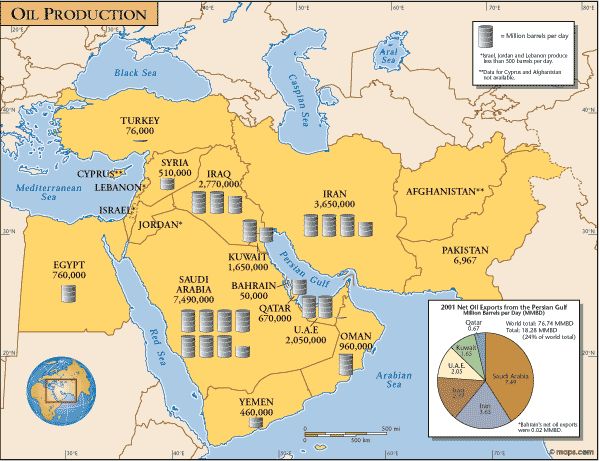
Much of the world’s supply of oil that can be extracted at very low cost comes from Saudi Arabia, Iraq, Iran, and the smaller principalities surrounding them. To supply world markets from these countries, the oil must pass through one of three adjacent strategic choke points – Strait of Hormuz, Bab-el-Mandeb Strait, and the Suez Canal. Each of these water passageways is subject to harassment or closure by modern drones and missiles in the hands of militants-of-the-moment.
Oil is moved by the largest ocean tankers. Ultra Large Crude Carriers (ULCCs) carry 3 million barrels, which at $90 per barrel equals $270 million in product value, plus the carrier cost to be insured. War Risk Insurance during the current Iranian conflict has increased by up to a factor of 30, even if insurance is available. Current Middle East shipping is moving only because U.S. naval protection is being provided, a major American subsidy to the maritime shipping world.
Since the ayatollahs took over Iran in 1979, they have held U.S. Embassy hostages, waged a major war with Iraq, probably were responsible for the 1983 bombing of the U.S. Marine Barracks in Beirut, and waged proxy attacks around the region too numerous to list. Iran has been designated “the world’s largest state sponsor of Terrorism”. If the current regime remains, Iran will continue its blackmail and attacks on its neighbors and enemies, especially Israel and the United States.
Therefore, America’s greatest gift to the world would be to expand its economic and military pressure against this regime until it collapses in the face of American power or its own internal conflicts. Whatever the outcome in Iran, however, the Middle East cannot escape its location where diverse civilizations and empires have collided throughout history. Allowing it to remain the source of such a major world commodity as oil will continue to cause periodic oil crises.
Since 1960, the major oil producers in the area, through the Organization of the Petroleum Exporting Countries (OPEC), have manipulated oil supply and demand to maximize profits for over sixty years, rewarding them with immense prosperity. The Middle East members of this group should be required to provide sufficient funding to cover any reinsurance coverage required to ship their products out of the area to their various destinations.
Since the United States has never been compensated for the American military protection that guaranteed open sea lanes and low-cost insurance for transporting its petroleum products worldwide, Middle East petroleum-exporting countries should pay for reinsurance from their profits for instabilities in their region that affect petroleum prices.
Secondly, other major petroleum importers should join with non-Middle East oil exporters to increase production from areas outside of the Middle East. For instance, Prudhoe Bay oil from Alaska, if it increased its production capacity, would be a better source for Japan than Middle East oil.
The changing World Order requires creative new solutions to the world’s problems without relying on U.S. Military Forces and our taxpayers to solve all the problems on the planet.
TW3
August 20, 2026
John Whitmore Jenkins
www.jenkins-speaks.com
john@jenkins-speaks.com